
I’ve sat through six pre-openings across the Asia-Pacific region and learned pretty quickly that side bets are where the maths gets honest fast. When you’re weighing up a table, the main game usually runs a predictable house edge, but the side wagers can swing your session hard if you don’t read the paytable properly. I’ve run floors where a single bonus payout on a pair plus or perfect pair bet changed the whole feel of a busy arvo. Here’s how the numbers actually break down, so you can decide whether those extra chips are worth the risk.
How the Payouts Stack Up
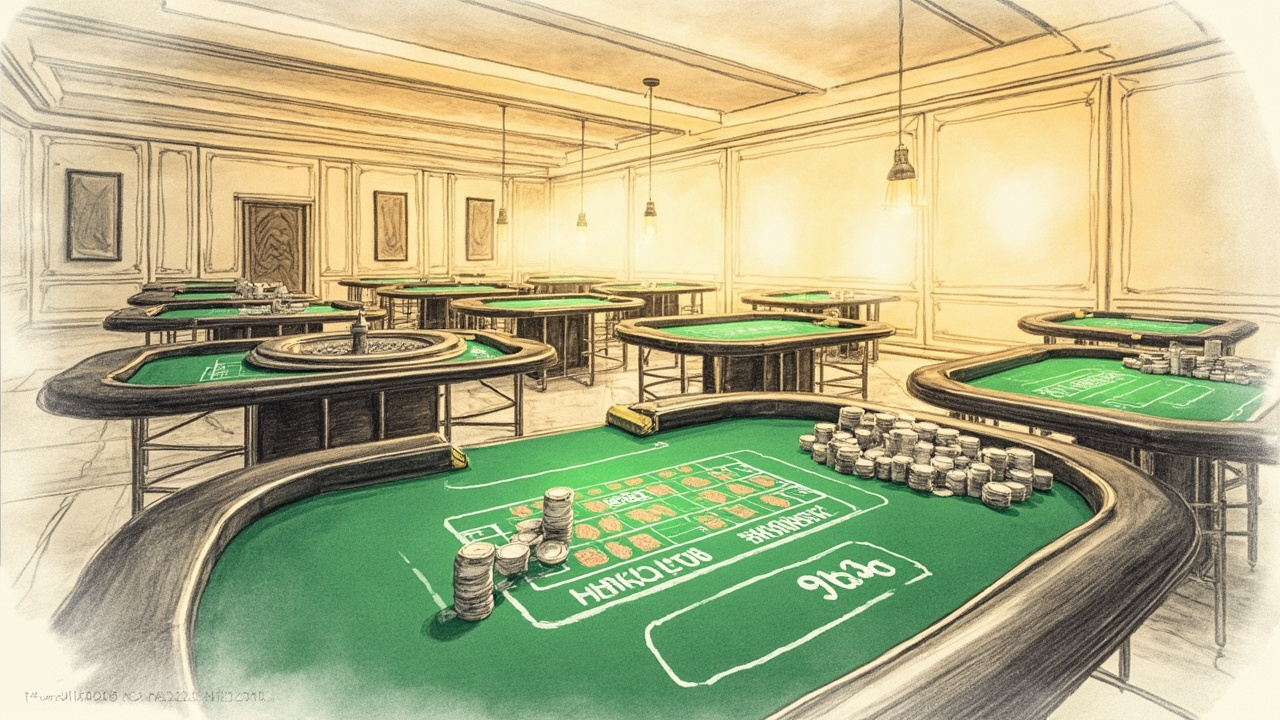
The first thing I check on any new layout is the paytable, because it tells you exactly what the operator thinks the odds are worth. A standard blackjack side bet usually pays out somewhere between 5:1 and 25:1 depending on the trigger, but those big numbers hide a low hit frequency. I’ve seen operators in Hobart run a perfect pair table where the payout looks generous until you realise the deck composition makes it a long shot. If you’re the type who likes to keep a tally, you’ll want to track how often the side bet actually fires versus how many hands you’re buying in for. The maths doesn’t care how much you reckon you’re due – it just tallies the combinations.
When you’re comparing tables, look at the probability column first, then the payout. A 10:1 return on a bet that hits once every forty hands is fundamentally different from a 5:1 return on a wager that lands every tenth hand. I’ve walked past gaming floors where two identical-looking tables had completely different side bet structures, and the one with the lower headline payout was actually friendlier over a full session. If you’re playing on a mobile screen and want to check the paytable before you sit down, you’ll find a decent breakdown on all aboard pokie when you’re comparing how different operators present their bonus maths.
The Three Most Common Side Bets
Perfect Pair and Suited Combinations
This one pays when your first two cards match in rank, and sometimes in suit depending on the paytable. The basic pair version hits more often than the suited version, but the payout difference is usually the whole story. I’ve seen a floor manager in Southeast Asia explain to new dealers that the suited variant is really just a premium slice of the same probability pool – you’re paying extra for the suit match, and the edge reflects that. If you’re playing a six-deck shoe, the odds of a suited pair drop sharply compared to a single deck, so the payout needs to be higher to justify the wager. Most Aussie players I’ve chatted with at the tables reckon the standard pair payout is the only one worth touching unless the table shows a clearly elevated return.
21+3 and Poker Hand Combinations
This side bet mixes your two hole cards with the dealer’s upcard to form a poker hand, usually three of a kind, flush, or straight. The payouts can look eye-catching, but the hit rate is low because you’re waiting for a specific three-card arrangement. I’ve run simulations on properties where the 21+3 wager carried a house edge north of 3% once you factored in the actual deck penetration. The operator side of me understands why it’s popular – it adds a bit of tension to otherwise routine hands – but the player side of me always checks the paytable before I put a chip down. If the table pays 30:1 on a suited three of a kind but only 5:1 on a flush, the maths usually tilts toward the lower-paying hands being the more realistic target.
Lucky Ladies and High-Value Targets
This wager rewards you for landing a total of 20 or higher with your first two cards, often with bonus multipliers for specific hands like a queen or a pair of queens. The appeal is obvious when you’re playing a basic strategy game and want a bit of extra action on strong starting hands. I’ve watched a regulator walk a floor in the region and note that these bets can feel like a natural extension of good basic play, which is part of why they stick around. The catch is that the edge creeps up when the paytable doesn’t match the actual probability of hitting those totals, especially in a multi-deck game. If you’re the sort who likes to keep your session steady, this one is worth a cautious look rather than a full commitment.
| Detail | What to Expect |
|---|---|
| Deck setup | Usually 6-8 decks, sometimes single deck for premium tables |
| Typical payouts | 5:1 to 25:1 depending on the side bet and trigger |
| House edge range | Roughly 2% to 7% depending on paytable and deck count |
| Hit frequency | Low to moderate; big payouts come rarely |
| Best check | Read the paytable before buying in, not after |
Who These Bets Suit
If you’re the kind of player who likes a steady rhythm and doesn’t mind a small side wager for a bit of extra excitement, a carefully chosen side bet can fit your session without blowing up your bankroll. I’ve seen players use a tiny fixed amount on a pair bet just to keep the hands feeling a bit more alive, and that approach works when the paytable is honest and the edge isn’t absurd. If you’re chasing a big hit and don’t care about the frequency, you’ll want a payout that actually matches the odds rather than just flashing a big number on the felt. The operator in me always says the same thing: pick the table with the clearest paytable and the smallest edge you can find, because that’s the one that respects your time over a full arvo.
The regulator side of the conversation is a bit different – some industry folks argue that side bets should be treated more like entertainment line items than core strategy, and I can see where they’re coming from when the edge climbs. I don’t think either view is wrong, but I do think the player who reads the paytable and sets a small side stake is the one who walks away feeling like the maths was on their side. If you’re playing from home on a mobile device and want to check how a brand handles its table limits and paytables before you commit, you’ll find a useful breakdown on all aboard pokie when you’re comparing how different operators present their bonus maths.
The clearest fit is for players who already play basic strategy, understand that side bets are a separate wager with their own edge, and are comfortable keeping the stake small. If you’re after a slow, controlled session with a bit of extra action on the side, pick a table with a transparent paytable and a reasonable hit frequency. If you’re hoping a side bet will turn a quiet session into a big win, the odds will probably remind you they’re not built for that.
Blackjack side bet odds explained properly come down to one thing: read the paytable, check the deck setup, and decide whether the payout actually matches the probability before you put a chip down. I’ve seen enough floors to know that the players who treat these wagers like a separate little maths problem usually have a better time than the ones who just chase the biggest number on the felt.